


ASSESSING AND MANAGING WATER QUALITY IN POULTRY FARMING
ASSESSING AND MANAGING WATER QUALITY IN POULTRY FARMING
Water used in poultry farming naturally contains various minerals and other substances, usually at levels that do not negatively impact bird performance. However, when the concentration of certain components becomes imbalanced, they can directly or indirectly affect productivity. Therefore, monitoring and managing water quality is a critical aspect of poultry farm management.
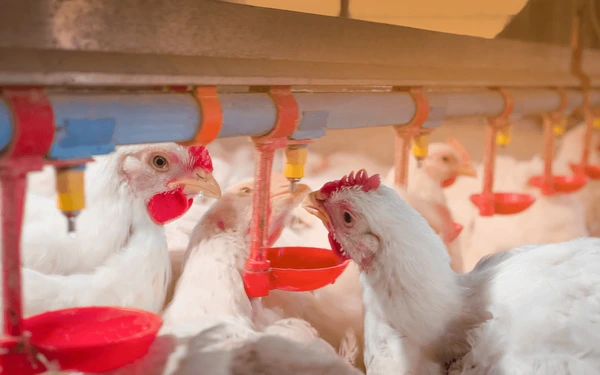
1. Closely Monitor the Primary Water Source
The chemical composition of water varies by region, depending on soil type, geological conditions, and other natural environmental factors. In addition, water sources may be impacted by drought, flooding, agricultural activities, industrial operations, or local environmental changes.
2. Regular Testing and Proper Sampling
Given the large number of potential contaminants, it is important to identify specific risks associated with each farm in order to conduct appropriate water testing. Consider the following steps:
- Establish a baseline under normal conditions as a reference point.
- Monitor water quality routinely to detect fluctuations or emerging issues.
- Conduct additional testing during high-risk periods such as heavy rainfall or drought.
Water analysis results are only reliable when samples are collected correctly. When sampling, disinfect the outlet, allow the water to flow for several minutes to flush the system, then collect a fresh, representative sample in a sterilized container. Deliver the sample promptly to a trusted laboratory approved by the poultry operation. Field technicians can provide guidance on relevant substances to test and help interpret the results to determine proper corrective action.
3. Direct Impact of Chemical Compounds
Some substances can have a direct, measurable effect on bird health and performance:
- Toxic compounds such as lead, arsenic, and selenium should be completely absent.
- Indicators of pollution like high levels of nitrates/nitrites, phosphates, or low dissolved oxygen may point to contamination from fertilizers or organic waste.
- High levels of chloride, sulfate, or sodium can have a diuretic effect, increasing water consumption, wet litter, and degrading barn air quality.
- Elevated TDS (total dissolved solids) may lead to watery droppings, reduced growth rates, and increased mortality.
- Excess iron, manganese, or copper may alter water taste, cause digestive upset, or damage internal organs.
- Synergistic effects between minerals—such as sodium with sulfate and chloride, or magnesium with sulfate—can cause issues even when individual levels appear acceptable.
4. Indirect Effects of Chemical Components
Other substances may not be toxic but still affect performance by altering water quality or interfering with farm systems:
- Suspended solids like silt, algae, or organic matter make water unpalatable, suggest surface contamination, and can clog drinkers.
- Discolored water (e.g., reddish-brown) may indicate excess iron, leading to off-flavors, staining, and bacterial growth.
- Sulfur (typically hydrogen sulfide) produces a rotten egg smell and may cause black residue in filters or housing.
- High manganese levels contribute to unpleasant taste and dark deposits.
- Water hardness, caused by calcium, magnesium, and sodium, reduces the effectiveness of soaps and disinfectants, interferes with medication and vaccines, and causes scale buildup in pipelines and equipment.
5. Corrective Actions
Once water quality issues have been identified, consider the following corrective measures:
- Evaluate the installation of appropriate filtration systems.
- Replace filters regularly and ensure compatibility with known contaminants.
- Perform high-pressure flushing of water lines between flocks and after using water-based additives.
- Consult field technicians before implementing new additives to prevent harmful interactions with existing water chemistry.
- Use water softeners cautiously—these replace calcium and magnesium with sodium, which may eventually elevate sodium levels to undesirable limits.
- For severe contamination, alternative water sources may be required. A deeper, properly constructed well may be the only viable solution when pollutants cannot be controlled.
Source: PoultryInternational magazine, April 2022 edition.

 22/10/2026
 22/10/2026