


HOW TO TAKE CARE OF PIGLETS AFTER CASTRATION
How to Take Care of Piglets After Castration
Basically, castration is a minor surgical procedure that has little impact on the animal's overall health. However, the creation of an open wound can still affect the piglet’s physical condition and mental state. Therefore, after castration, it is important to handle the piglets gently to avoid stressing them, which may cause the wound to reopen and bleed. To ensure optimal care after castration, keep the following points in mind:
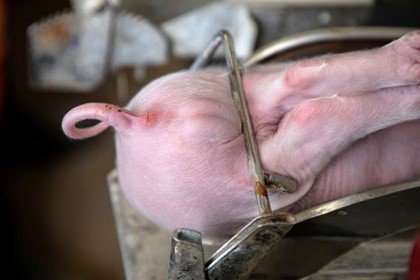
Regular Wound Monitoring
Farmers should apply antiseptic to the wound daily to prevent infection. If the wound takes a long time to heal or bleeds, antibiotics may be required to prevent further complications. In cases where the wound worsens, becomes ulcerated, or the piglet loses appetite for several days, a veterinarian should be contacted immediately for appropriate treatment.
Ignoring the symptoms mentioned above can lead to severe infections, which negatively impact the piglet’s weight gain and development. In serious cases, the piglet may die, leading to reduced productivity and economic loss in livestock farming.
Maintain Proper Hygiene in the Pigsty
After castration, piglets should be kept in separate pens to prevent other pigs from injuring them. Cleanliness of the pigsty is essential for the healthy recovery of castrated piglets. A clean living environment, combined with a nutritious diet rich in green vegetables, vitamins, and minerals, will help them recover faster, gain weight efficiently, and reach market size sooner.
Conclusion
Castration is a technique used to help male piglets grow faster and gain more weight. However, farmers must be careful during the procedure and aftercare to prevent infection and weakened immunity. Poor management may result in reduced productivity and lower meat quality, which affects marketability.
Faculty of Veterinary Medicine, Vietnam National University of Agriculture

 22/10/2026
 22/10/2026
 22/10/2026
 22/10/2026