


VIETNAM'S DAIRY CATTLE INDUSTRY: FACING 7 MAJOR CHALLENGES ON THE PATH TO SUSTAINABLE GROWTH
Vietnam's Dairy Cattle Industry: Facing 7 Major Challenges on the Path to Sustainable Growth
At the Vietnam–U.S. Dairy Innovation Workshop held on April 16 in Hanoi, Mr. Tống Xuân Chinh – Deputy Director of the Department of Livestock Production and Animal Health (Ministry of Agriculture and Rural Development) emphasized that although Vietnam’s dairy cattle industry has made notable progress in the past decade, it is now facing seven major challenges that must be addressed for sustainable and competitive growth.
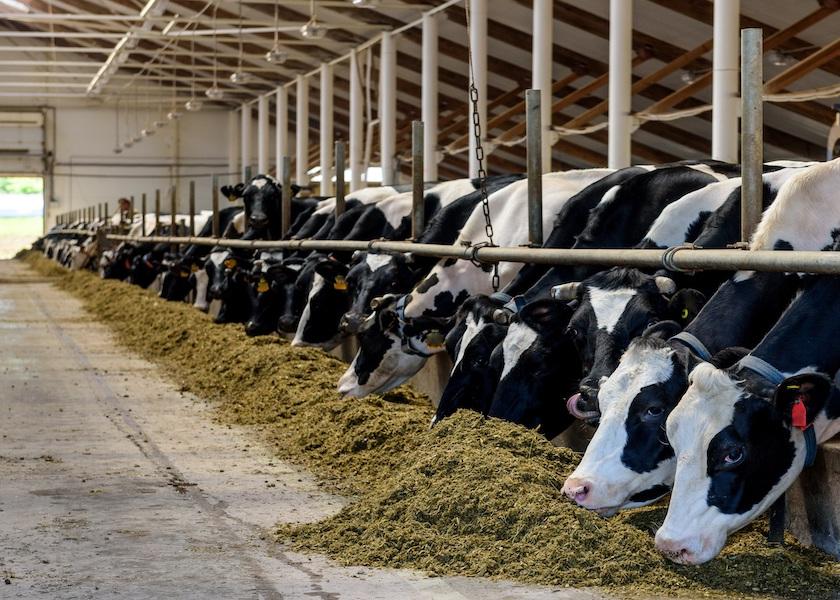
1. Impressive Growth, But Challenges Remain
Over the past 10 years (2014–2024), Vietnam’s dairy industry has achieved significant milestones:
- Total dairy herd increased from 228,000 to about 335,000 cows, with an average annual growth rate of 4.6%.
- Fresh milk production nearly doubled, from 550,000 tons to over 1.2 million tons, growing at 8.4% per year.
- Major enterprises such as Vinamilk, TH Group, and Mộc Châu Milk have made substantial investments, driving industrialization and modernization across the sector.
However, milk consumption among Vietnamese people remains relatively low, at only 27–28 liters/person/year – far below global averages. Domestic production currently meets only 40% of demand, requiring heavy reliance on imports. Import value rose from USD 849 million in 2016 to USD 1.129 billion in 2024.
2. Seven Key Challenges Facing the Industry:
- Low domestic milk output: Domestic production cannot meet demand, leading to dependence on imported milk powder from New Zealand, Europe, the U.S., Russia...
- Intense competition: From both domestic players and global dairy giants with advanced technologies and extensive distribution networks.
- Price pressure: Local producers struggle to compete with cheaper imported products, especially small and medium-sized farms.
- High marketing and distribution costs: Many local firms find it difficult to build brands and expand market reach.
- Legal and regulatory barriers: Complicated land-use policies, environmental regulations, and animal health rules create bottlenecks.
- Market volatility: Rising feed prices, disease outbreaks, climate change, and shifting consumer behaviors add uncertainty.
- Weak infrastructure and supply chain: Rural areas often lack adequate roads, power supply, water, cold storage, and logistics support.
3. Strategic Solutions for Sustainable Development
To overcome these obstacles and enhance self-sufficiency, a comprehensive and synchronized approach is needed:
- Targeted financial support: Preferential loans, tax reductions, and direct subsidies based on milk quantity and quality.
- Development of high-yield cow breeds: Invest in artificial insemination, embryo transfer, and genetic improvement programs.
- Policy reform on land use: Facilitate long-term land leasing and simplify procedures for farm expansion.
- Infrastructure investment: Improve transportation, electricity, water access, and storage facilities in rural farming zones.
- Training and capacity building: Equip farmers with modern breeding techniques, animal health management, and sustainable practices.
- Promote dairy cooperatives: Strengthen bargaining power, reduce input costs, and encourage knowledge and technology sharing.
- Enhance agricultural extension services: Provide continuous technical guidance, market orientation, and farm-enterprise connections.
Vietnam’s dairy industry has great growth potential, but must proactively address existing challenges to strengthen domestic production, reduce dependence on imports, and enhance its competitiveness on the international stage.

 22/10/2026
 22/10/2026